We’ve spent ten years staring at Costco price tags. That was never the plan. It started with one patio set marked $199.97 that had been $649 a week earlier, and it snowballed into costco97.com, a decade of markdown hunting, and a community of more than 100,000 shoppers who now squint at price endings the same way we do.
Here’s what a decade of squinting taught us: almost every big retailer plays the same quiet game. Nobody hangs a sign that says “we need this gone by Friday.” The tag does the talking. You just have to speak the dialect.
Consider this your phrasebook.
Our home turf, so we’ll start here. If a Costco price ends in .97, a manager marked it down. That’s it. That’s the tell. No sign, no announcement, usually not even an endcap. Just a quiet little .97 sitting where a .99 used to be, waiting for somebody paying attention.
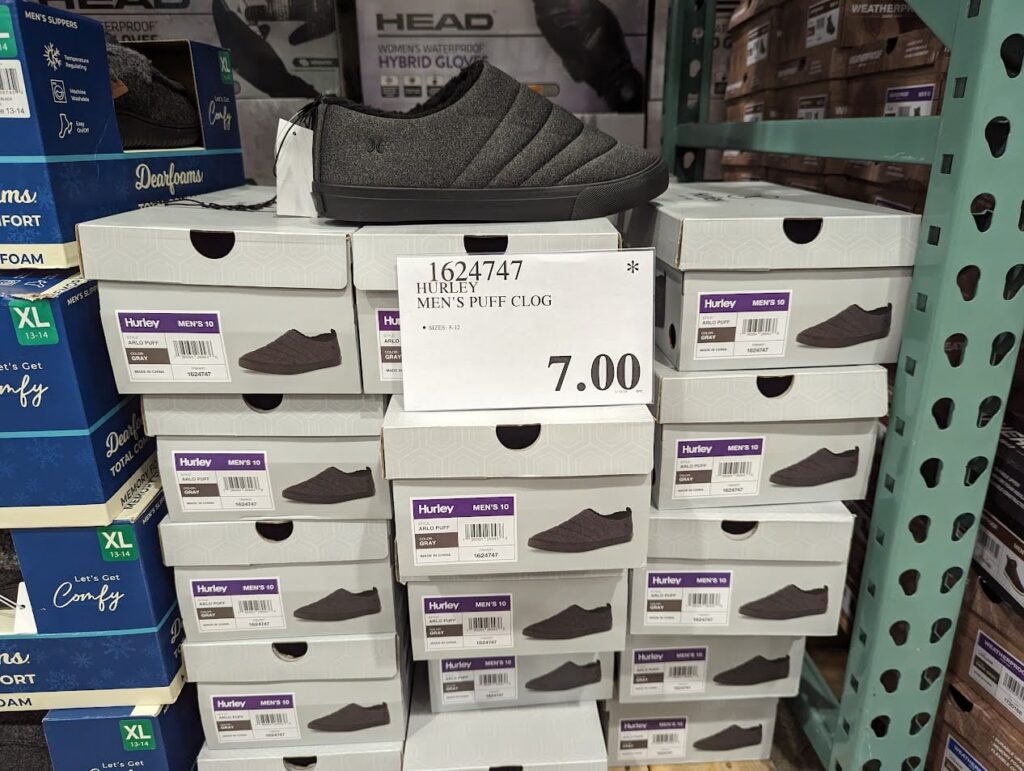
The other mark worth knowing is the asterisk in the top right corner of the tag. We call it the death star. It means the item is discontinued and not being reordered. An asterisk plus a .97 is the full jackpot: marked down, and when it’s gone, it’s gone. We have watched grown adults speed-walk for less.
Now the one even longtime members miss. A price ending in .00 is rarer and better than a .97. That’s a store manager personally clearing something out, often below what the warehouse paid for it. A .97 is a markdown. A .00 is a surrender. Ten years in, a double-zero tag still makes us look around to see who else noticed.
Target actually prints the discount on the clearance sticker, up in the corner. 30%, 50%, 70%, sometimes a glorious 90%. That part is easy.
The last digit of the price is the part most people miss. The pattern shoppers have reported for years: a clearance price ending in 8 tends to get marked down again, and a price ending in 4 is the end of the line. Target has never confirmed this, and Target never will. The pattern keeps showing up anyway. Ending in 4? Decide now, not next week.
And here’s the part almost nobody knows: Target reportedly works its markdowns on a weekly department rotation. Former employees have described the same schedule for years. Mondays lean kids, electronics, and stationery. Tuesdays hit women’s clothing and domestics. Wednesdays are men’s clothing and health and beauty. Thursdays cover shoes, housewares, and toys. Fridays wrap up with auto, cosmetics, and hardware. It varies by store and Target will tell you no such schedule exists. Plan your lunch breaks accordingly.
Walmart is the strange one. The shelf says $24.98 while the actual price is $6. They call it clearance without ever changing the tag, which is either an inventory quirk or a personality test, depending on your mood.
The fix is the Walmart app. Scan the barcode and the app shows the real price at your store. Shoppers call it hidden clearance, and entire online communities exist just to swap finds. Ten seconds of scanning has saved us more money at Walmart than any coupon ever has. We liked this game so much we wrote a whole field guide to Walmart hidden clearance, including the $0.00 tell most regulars miss.
Home Depot clearance runs on a timer, and the cents column is the clock. The pattern regulars swear by: a price ending in .06 is a first markdown with roughly six weeks left. If it ends in .03, the countdown is nearly over, usually three weeks or so. After that, items either sell, vanish, or occasionally ring up for a literal penny. Penny items are technically supposed to be pulled from shelves before you ever see them. Technically.
None of this appears in any official Home Depot documentation, which is exactly why it works. The clearance rack is at the back, by the way. It’s always at the back. The full system, penny etiquette included, gets its own deep dive.
Sam’s Club keeps it subtle. A price ending in .91 is the widely reported clearance tell, and the deeper the cut, the faster it disappears from the club. Some locations get aggressive and just slap a “reduced” sticker on top, which is refreshingly honest for this genre.
BJ’s is less codified than the others, but the pattern we hear from members is consistent: yellow signage means a temporary price cut, and the real clearance lives on the end-of-aisle racks with prices that keep stepping down until someone caves. Less of a secret code, more of a staring contest.
Amazon Warehouse and Best Buy Outlet don’t have price tags, but they still have tells. On Amazon Warehouse, the condition grade is the tag. “Like New” usually means somebody opened a box, changed their mind, and paid the return-shipping tax so you don’t have to. On Best Buy Outlet, open-box items carry condition tiers, and the sweet spot is usually “Excellent” – full accessories, barely touched, real discount.
The rule online is the same as in the aisle: the discount is quiet, and it goes to whoever checks.
A disclaimer, because we’ve been doing this long enough to owe you one: not a single one of these codes is official. Stores deny them, employees shrug about them, and policies drift from region to region. These are patterns, built from years of shopper reports and our own receipts. Treat them as a strong hint, not a contract.
And honestly, the unofficial part is half the fun. Ten years in, the little thrill of spotting a .97 has not worn off. We’ve just expanded the hobby to every warehouse store we could find.
Every store in this phrasebook eventually gets its own full chapter. On the shelf so far:
That’s what this site is for. We do the squinting across Costco, Walmart, Sam’s Club, BJ’s, Home Depot, Target, and the online outlets, and we post what we find. If you spot a tell in the wild first, share the find – someone three states away will thank you. And if you’d rather the deals just show up in your inbox, the newsletter is free and we keep it short.