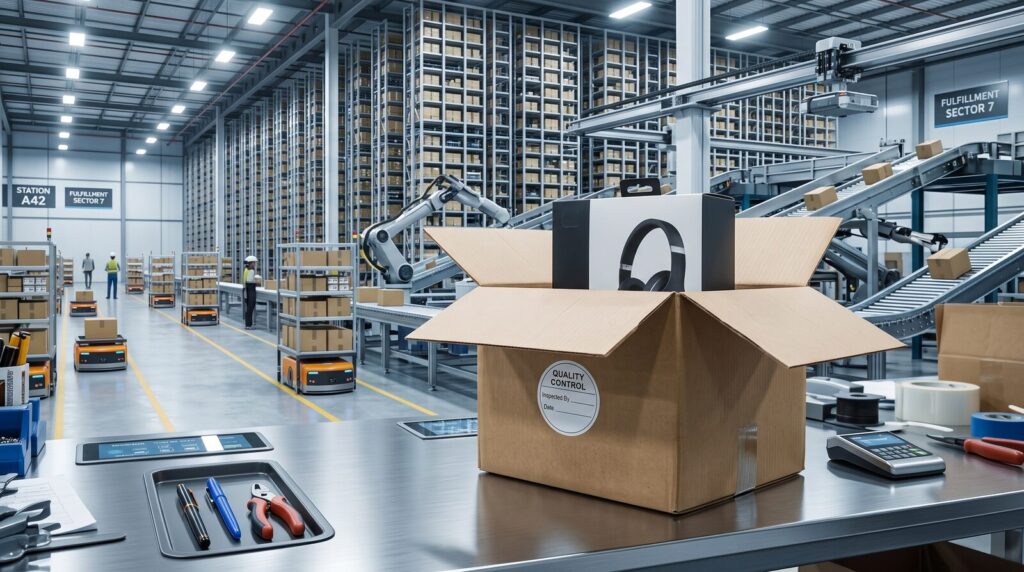
Somebody already opened the box. That’s the whole business model.
Amazon Warehouse (these days also labeled Amazon Resale) is where returns go to get a second chance: opened, inspected, regraded, and relisted at a discount. It’s also one of the most misunderstood corners of the deal world. Half the internet thinks it’s a scam pile. The other half thinks every listing is a sealed product with a shy sticker. Both halves are wrong, and the truth pays better.
Ten years of clearance hunting taught us to love merchandise with a story. Here’s how to read this particular genre.
Amazon grades warehouse items in four tiers, and the labels are doing a lot of diplomatic work:
The condition note on each listing tells you the specific sins (“item will come repackaged”, “small cosmetic imperfection on top”). The note is the actual product description. The grade is just the genre.
Here’s the fact that converts skeptics: warehouse items carry the same 30-day return window as new Amazon stock. If the “Very Good” blender shows up more “Acceptable” than advertised, you send it back, full stop, no negotiation. Which means the actual risk of the whole gamble is the ten minutes it takes to print a return label. Most people price warehouse items like the risk is losing your money. The real downside is losing a trip to the UPS Store.
One product can have multiple warehouse listings at once – different returned units, different grades, different prices, sometimes different warehouses entirely. They also come and go constantly, because inventory is literally whatever people returned this week. Checking once and giving up is the amateur move. The listing you want has a decent shot of existing on Thursday even if it didn’t on Monday. Persistence is the whole strategy.
Warehouse buying rewards the same reflex Costco taught us: when you see the right item at the right grade and price, decide now. There’s exactly one of it. It will not be restocked. Hesitate on a Like New espresso machine at 35% off and you’re not waiting for a better deal, you’re donating it to a faster shopper. We’ve run that experiment. The results were emotionally instructive.
Our quick filter, honed on too many open-box purchases: One, read the condition note like it’s a used-car ad, because it is. Two, compare against the current new price, not the list price – a 20% warehouse discount on an item that’s already 30% off new is a 44% deal wearing a modest coat. Three, check who’s selling: “Amazon Resale” as the seller means Amazon’s own graders and Amazon’s return machinery, which is the version of the gamble we actually recommend.
Online outlets are one wing of the bigger clearance world – the store-by-store price codes live in our price tag phrasebook, and the timing game is in the clearance calendar. We post the warehouse finds worth the gamble as we spot them, grades and caveats included. Found one with a condition note that undersells it? Share the find – open-box courage is a community effort.